
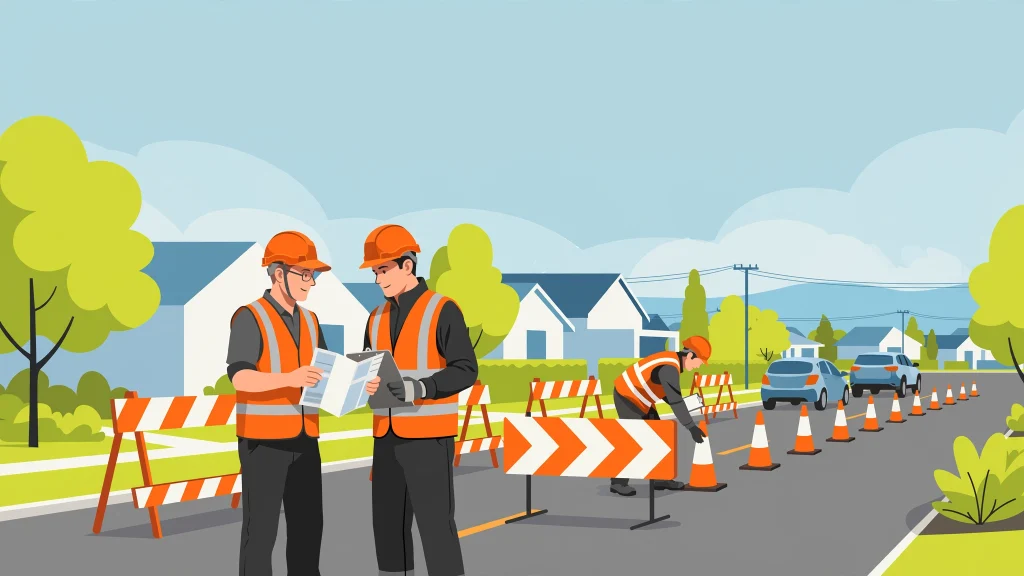
Traffic management is the planning, control, and coordination of vehicle, pedestrian, and cyclist movement to keep roads safe, efficient, and compliant with regulations. It applies to everyday road use as well as temporary situations such as construction sites, events, utility works, emergencies, and accidents.
At its core, traffic management is about reducing risk, minimising disruption, and ensuring people and vehicles can move safely through an area.
Why Traffic Management Is Important
Without proper traffic management, roads can quickly become unsafe and inefficient. Effective traffic management helps to:
- Prevent accidents and injuries
- Protect road workers and pedestrians
- Reduce congestion and delays
- Maintain access for emergency services
- Ensure legal and regulatory compliance
For businesses and councils, poor traffic control can lead to fines, project delays, reputational damage, and serious safety incidents.
Key Components of Traffic Management
Traffic Control Measures
Traffic control measures are the physical and human tools used to guide road users. These can include:
- Road signs and warning signage
- Cones, bollards, and barriers
- Temporary speed limits
- Traffic controllers using stop-slow bats
- Temporary traffic signals
Each measure is selected based on road conditions, traffic volume, and the level of risk involved.
Traffic Management Plans
A Traffic Management Plan, commonly known as a TMP, is a documented strategy that explains how traffic will be managed during works or events. It typically includes:
- Site layout and road geometry
- Traffic flow changes and detours
- Pedestrian and cyclist safety measures
- Signage placement
- Emergency access provisions
- Roles and responsibilities
Traffic Management Plans are often required by councils or road authorities before work can begin.
Temporary Traffic Management
Temporary traffic management is used when normal traffic conditions are disrupted. Common scenarios include:
- Roadworks and infrastructure upgrades
- Utility installations and repairs
- Construction site access
- Public events and festivals
- Emergency response situations
These setups are designed to be flexible, clearly communicated, and removed once the work is complete.
Who Uses Traffic Management?
Traffic management is used across a wide range of industries and organisations, including:
- Construction and civil works companies
- Water, gas, electricity, and telecommunications providers
- Local councils and government agencies
- Event organisers
- Emergency services
- Commercial developments and logistics operations
Any activity that affects normal road use will usually require some level of traffic management.
Traffic Management and Road Safety
Safety is the primary objective of traffic management. Important road safety measures include:
- Separating workers from live traffic
- Giving drivers clear instructions well in advance
- Providing safe pedestrian pathways
- Reducing speed where risks are higher
- Adapting controls to weather, visibility, and traffic conditions
Well-designed traffic management can significantly reduce the likelihood of serious incidents.
Legal and Compliance Considerations
Traffic management must comply with national and local road authority standards. These standards can govern:
- Signage types and placement
- Minimum distances and visibility requirements
- Training and certification of traffic controllers
- Approval of traffic management plans
Failure to comply can result in work shutdowns, fines, or legal liability if an incident occurs.
The Role of Technology in Traffic Management
Modern traffic management increasingly relies on technology to improve safety, efficiency, and decision-making. Common technologies include:
- Smart traffic signals
- Real-time traffic monitoring
- GPS-based traffic data
- Variable message signs
- Automated traffic counting and reporting
These tools help traffic management teams reduce congestion, make better decisions, and respond more quickly to changing conditions.
Summary
Traffic management is the structured approach to keeping roads safe, organised, and functional during both normal use and temporary disruptions. Through careful planning, appropriate signage, trained personnel, and regulatory compliance, traffic management protects lives, reduces delays, and keeps projects moving smoothly.
Whether it involves a small utility repair or a major infrastructure project, effective traffic management is essential for maintaining safety and efficiency on today’s roads.
The Traffic Plans Company specialise in quality traffic management plans and planning around Melbourne and other areas of Australia.
