
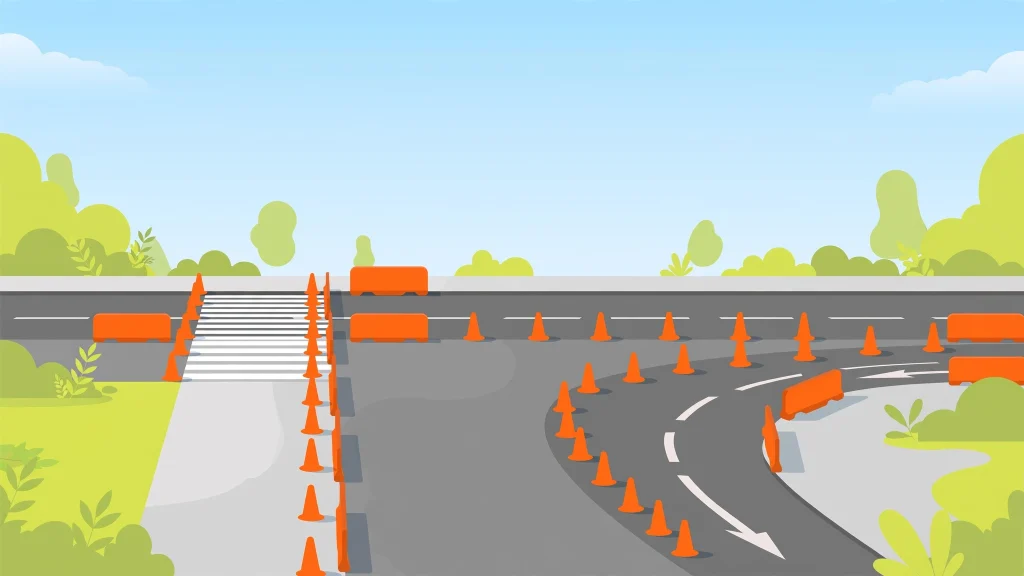
Pedestrian and vehicle interactions are one of the highest-risk elements of traffic management. Whenever foot traffic and live vehicles share space, the potential for serious incidents increases. Unlike drivers, pedestrians are unprotected, unpredictable, and often distracted. Effective traffic management must anticipate these interactions and implement strong controls to reduce risk.
Why Pedestrian and Vehicle Interactions Are High Risk
Pedestrians:
- May step into traffic unexpectedly
- Can be distracted by mobile phones
- Travel in groups
- Include children, elderly individuals, and people with disabilities
- May not understand temporary traffic layouts
Vehicles:
- Require time and distance to stop
- Have blind spots
- May not expect sudden pedestrian movements
- May misinterpret temporary signage
When these two groups interact in altered traffic environments, risk escalates quickly.
Common High-Risk Interaction Points
Pedestrian and vehicle conflicts often occur at:
- Temporary crossings
- Driveway access points
- Work zone entry and exit points
- Narrowed lanes
- Shared zones during events
- Bus stops relocated due to works
These areas require targeted controls.
Key Control Measures
1. Physical Separation
The most effective control is physical separation. This includes:
- Barriers between pedestrians and live traffic
- Temporary fencing
- Clearly defined pedestrian corridors
- Continuous footpath protection
Where possible, pedestrians should never share space with moving vehicles.
2. Clearly Defined Crossing Points
If interaction is unavoidable, crossings must be:
- Clearly marked
- Supervised by traffic controllers where required
- Located in areas with good sight distance
- Free from obstructions
Informal crossing points significantly increase risk.
3. Speed Management
Reducing vehicle speed lowers both crash likelihood and severity. Temporary speed zones should be used where:
- Pedestrians are redirected near traffic
- Lane widths are reduced
- Visibility is limited
Speed reduction must be justified and clearly signed.
4. Traffic Controller Assistance
Traffic controllers play a critical role when pedestrian interaction is unavoidable. They must:
- Stop traffic completely before allowing pedestrians to cross
- Maintain clear communication with drivers
- Remain visible at all times
- Avoid stepping into live lanes unnecessarily
Controllers must remain alert and proactive.
5. Signage and Wayfinding
Clear signage reduces confusion. This includes:
- Footpath closed signs
- Pedestrian detour signs
- Shared zone warnings
- Vehicle warning signs alerting drivers to pedestrians
Confusion increases hesitation and unsafe behaviour.
Special Considerations for Vulnerable Users
Traffic management must consider:
- Wheelchair users requiring stable surfaces
- Vision-impaired pedestrians needing clear paths
- Children who may behave unpredictably
- Elderly individuals with slower movement
Temporary paths must be accessible, stable, and clearly defined.
Event Environments
During events, pedestrian density increases dramatically. Additional measures may include:
- Dedicated crowd control barriers
- Controlled entry and exit points
- Complete road closures to remove vehicle interaction
- Clearly protected emergency lanes
Vehicle access through dense crowds should be avoided where possible.
Driveway and Property Access
Driveways are frequent interaction points. Controls may include:
- Traffic controller assistance
- Clear sight lines
- Temporary driveway closures with notice
- Clear communication with residents and businesses
Unmanaged driveway interactions are a common source of near misses.
Monitoring and Active Supervision
Pedestrian and vehicle interaction risks must be monitored continuously. Supervisors should:
- Observe behaviour patterns
- Identify developing congestion points
- Adjust controls if necessary
- Respond quickly to unsafe situations
Static controls are not enough in dynamic environments.
Common Mistakes
Frequent failures include:
- Narrow pedestrian pathways
- No physical separation from traffic
- Unsupervised crossings
- Poor signage placement
- Forcing pedestrians into live traffic lanes
- Underestimating crowd volume
These mistakes often lead to complaints, enforcement action, or incidents.
Responsibilities
Managing pedestrian and vehicle interactions is a shared responsibility.
- Designers must include safe routes in plans
- Implementers must install barriers correctly
- Supervisors must monitor conditions
- Traffic controllers must manage crossings
- PCBUs must ensure risk assessments address interaction risks
Clear coordination reduces exposure.
Summary
Pedestrian and vehicle interactions present one of the most serious risks in traffic management. Effective planning focuses on separation, speed control, supervision, and clear communication. When pedestrian routes are clearly defined, physically protected, and actively managed, the risk of serious incidents is significantly reduced. Safe interaction management protects the most vulnerable road users and ensures compliant traffic operations.
The Traffic Plans Company specialise in quality traffic management plans and planning around Melbourne and other areas of Australia.
